
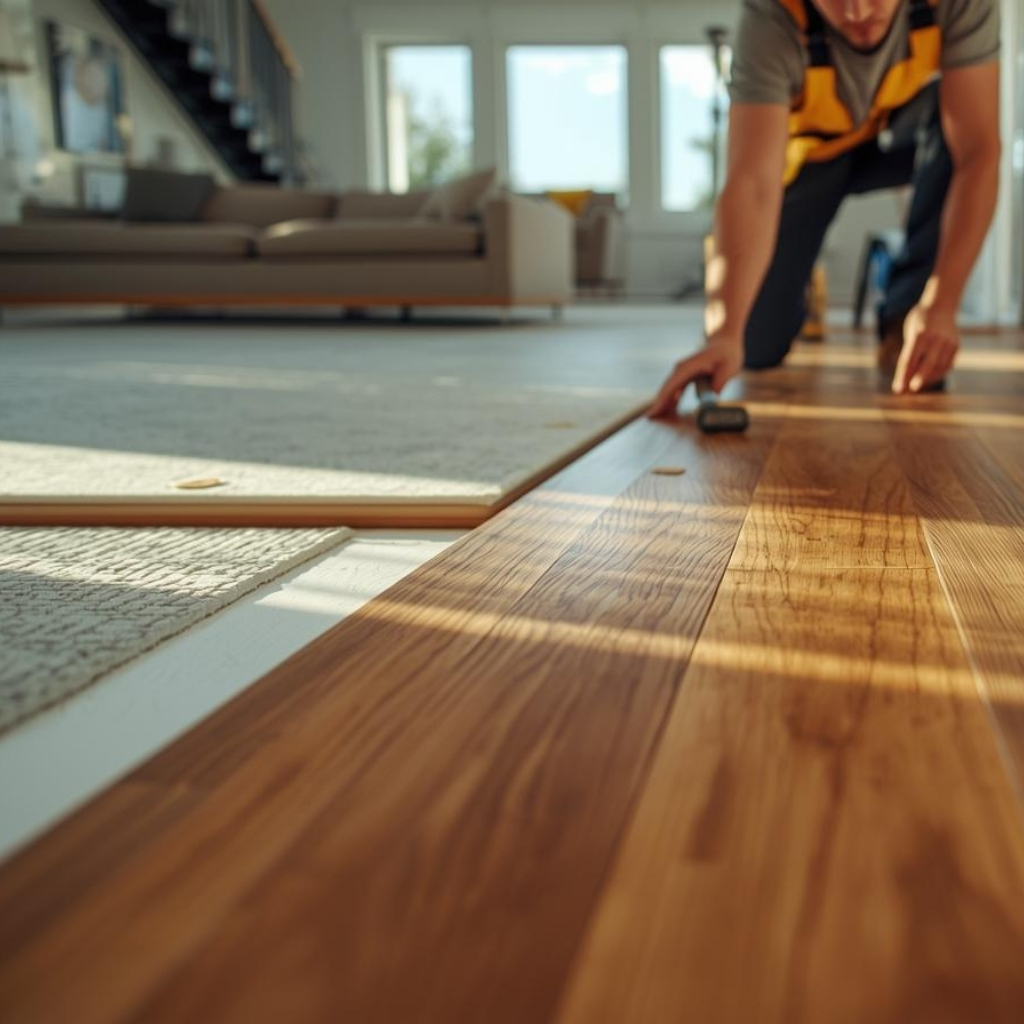
The timeless beauty of hardwood floors is unmatched. They bring a natural warmth, elegance, and character to any home, increasing its value and appeal for generations. Whether you’re renovating an older house or building a new one, choosing hardwood is a significant investment in your property’s future. However, the success of that investment hinges on a flawless hardwood floor installation.
This guide covers everything homeowners in Chilliwack (Fraser Valley) and beyond need to know about the process. We will explore the benefits of professional installation, delve into the unique advantages of solid wood flooring, and offer tips to help you select the perfect hardwood for your space.
The Enduring Appeal of Hardwood Floors
Before getting into the technical details, let’s appreciate why hardwood remains a premier flooring choice. Beyond its stunning appearance, hardwood offers several practical benefits:
- Durability and Longevity: With proper care, solid hardwood floors can last for over a century. They can be sanded and refinished multiple times to erase signs of wear and tear, making them look new again.
- Increased Home Value: Hardwood floors are a major selling point for homebuyers. They consistently add significant value to a property, making them a smart long-term investment.
- Improved Air Quality: Unlike carpets, hardwood floors do not trap dust, pet dander, pollen, or other allergens. This makes them an excellent choice for creating a healthier indoor environment.
- Versatility: Hardwood complements any interior design style, from rustic farmhouse to modern minimalist. With a wide variety of species, stains, and plank widths, you can create a truly custom look.
Why Professional Hardwood Floor Installation is Non-Negotiable
While the idea of a DIY project can be appealing, hardwood floor installation is a craft that requires a high degree of precision, specialized tools, and an understanding of how wood behaves. A small mistake can lead to costly problems like gapping, buckling, or squeaking floors.
Here’s why hiring a professional is the only way to go:
1. Acclimation and Subfloor Preparation
Wood is a natural material that expands and contracts with changes in temperature and humidity. Before installation, hardwood planks must acclimate to the environment inside your home for several days or even weeks. A professional installer knows exactly how long this process should take for your specific product and local climate.
Equally important is subfloor preparation. A professional will:
- Test the subfloor for moisture content to prevent future warping.
- Ensure the subfloor is perfectly clean, flat, and structurally sound.
- Address any imperfections that could compromise the installation.
2. Precision Tools and Techniques
Installing hardwood requires more than just a hammer and nails. Professionals use specialized equipment like flooring nailers, miter saws for precise cuts, and moisture meters. They understand the correct nailing schedule and expansion gaps needed to allow the floor to “breathe” throughout the seasons. This prevents the wood from buckling in humid summers or developing gaps in dry winters.
3. Expertise with Different Installation Methods
There are three primary methods for installing hardwood, and the right one depends on your subfloor and the type of wood:
- Nail-Down/Staple-Down: The traditional method used for installing solid wood over a wooden subfloor.
- Glue-Down: Used for engineered wood or sometimes solid wood over a concrete subfloor.
- Floating: Typically used for engineered wood where planks lock together and are not attached to the subfloor.
An experienced installer will know the best method for your specific situation, ensuring a secure and long-lasting result.
4. Warranty Protection
Most hardwood manufacturers stipulate that their product must be installed by a certified professional for the warranty to be valid. A professional installation protects your investment by ensuring you are covered in the rare event of a product defect.
Understanding Solid Wood Flooring
When people think of traditional hardwood, they are usually picturing solid wood flooring. Each plank is milled from a single, solid piece of wood, typically 3/4 inch thick. This is different from engineered hardwood, which consists of a thin veneer of real wood bonded to layers of high-quality plywood.
While both are great options, solid wood flooring has unique advantages:
- Unmatched Longevity: The thickness of solid wood allows it to be sanded and refinished many times over its lifespan. A solid wood floor installed today could still be beautiful in 100 years.
- Authentic Look and Feel: There’s nothing quite like the feel of solid wood underfoot. The natural grain patterns, knots, and color variations in each plank create a truly authentic and one-of-a-kind floor.
- Increases Home Value: Solid hardwood is often seen as the gold standard by appraisers and potential buyers, providing a higher return on investment.
It’s important to note that solid wood is sensitive to moisture and is not recommended for below-grade installations like basements.
Choosing the Right Hardwood for Your Home
Selecting the right wood involves more than just picking a color. Consider these factors:
Wood Species and Hardness
Different wood species have different levels of hardness, measured on the Janka Hardness Scale. A higher rating means the wood is more resistant to dents and scratches.
- High-Traffic Areas (Kitchens, Entryways): Choose a very hard wood like hickory, maple, or white oak.
- Lower-Traffic Areas (Bedrooms): Softer woods like cherry or walnut can be used, though they will show wear more easily.
Plank Width and Finish
- Plank Width: Narrow planks (2-3 inches) offer a traditional look, while wider planks (5 inches or more) create a more modern or rustic feel.
- Finish: A factory-applied finish is typically more durable than one applied on-site. Finishes range from matte, which hides scratches well, to high-gloss, which provides a more formal look.
Color and Grain
The color can range from the pale tones of maple to the deep reds of cherry or the rich browns of walnut. The grain pattern—whether it’s straight, wavy, or full of knots—also contributes significantly to the floor’s overall character. For homeowners in Chilliwack (Fraser Valley) looking to bring a touch of the Fraser Valley’s natural beauty indoors, oak or maple are excellent choices that reflect the local landscape.
Your Partner for Perfect Hardwood Floors
A beautiful hardwood floor is the result of quality materials and expert craftsmanship. From the initial consultation to the final plank, every step of a hardwood floor installation must be handled with care and precision. This ensures your new floor will not only look spectacular on day one but will continue to enhance your home for decades to come.
At Heritage Carpets and Flooring, we specialize in providing and installing premium hardwood floors. Our team of seasoned professionals understands the nuances of working with natural wood, ensuring a perfect installation every time. We are committed to helping you choose the right solid wood flooring and providing a seamless process from start to finish.
Ready to invest in the timeless elegance of hardwood? Contact Heritage Carpets and Flooring today for a consultation. Let us help you lay the foundation for a lifetime of beautiful memories.